Grease trap cleaning plays a critical role in protecting Australian wastewater systems, yet it is often viewed by hospitality operators as a box ticking exercise rather than an essential responsibility.
For commercial kitchens, grease traps are the first line of defence between everyday kitchen waste and public sewer infrastructure.
When they are not properly maintained, the impact extends far beyond a single venue.
Australian wastewater systems are complex, highly regulated and expensive to maintain. R
egular grease trap cleaning helps keep these systems functioning efficiently, protects the environment and reduces costs for councils, water authorities and businesses alike.
Understanding this connection highlights why grease trap cleaning is not just a venue issue, but a shared responsibility.
The Purpose of Grease Traps in Commercial Kitchens
Grease traps are designed to intercept fats, oils and grease before they enter the sewer network.
In commercial kitchens, large volumes of grease are produced through cooking, washing and food preparation. Without a grease trap, these substances would flow directly into wastewater pipes.
Fats, oils and grease behave very differently to water once they cool.
They solidify, cling to pipe walls and combine with other debris.
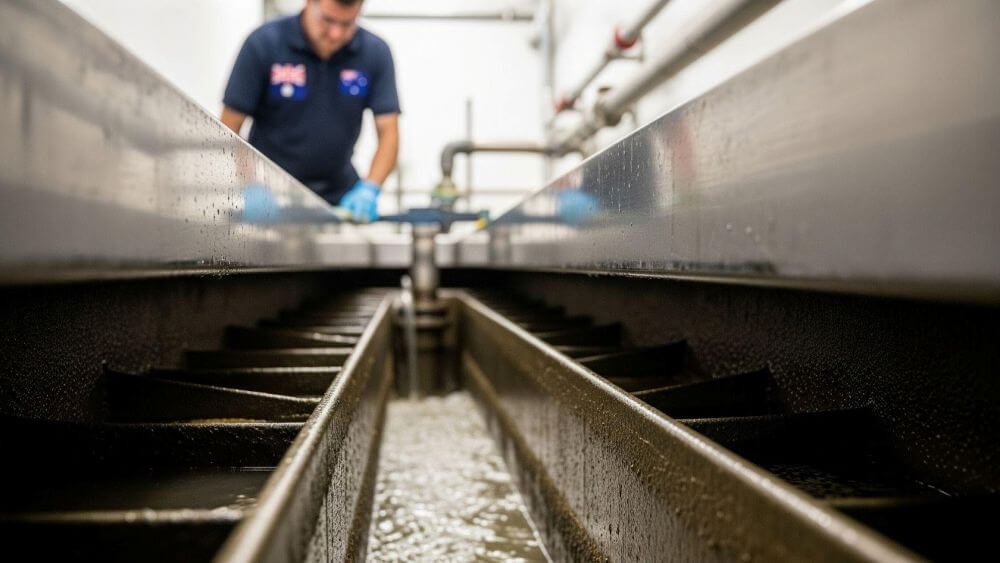
Grease trap cleaning ensures these materials are removed before they cause damage downstream.
In Australia, grease traps are a mandatory requirement for many food service businesses due to the pressure that grease places on wastewater systems.
The Impact of Grease on Australian Sewer Networks
Australian sewer networks were not designed to handle high concentrations of grease.
When grease enters the system, it accumulates over time, narrowing pipes and reducing flow capacity.
This can lead to blockages, sewer overflows and damage to pumping stations.
Blockages caused by grease are one of the leading contributors to sewer spills across Australia. These spills can release untreated wastewater into streets, waterways and coastal environments.
Regular grease trap cleaning at the source significantly reduces the likelihood of these incidents.
By removing grease before it enters the sewer, venues directly support the long term performance of wastewater infrastructure.
Reducing the Risk of Sewer Overflows and Environmental Harm
Sewer overflows are not just an inconvenience. They pose serious environmental and public health risks. When wastewater escapes the system, it can contaminate rivers, beaches and stormwater drains.
Australia’s waterways are closely monitored, particularly in coastal and urban areas. Grease related blockages increase the risk of overflows during heavy rainfall or peak usage periods.
Proper grease trap cleaning reduces the volume of grease entering the network, helping prevent these events.
This protection is especially important in areas where wastewater systems discharge near sensitive ecosystems or recreational waters.
Supporting Water Authorities and Local Councils
Water authorities and local councils invest significant resources into maintaining wastewater networks. Clearing grease blockages is labour intensive, costly and disruptive.
When grease trap cleaning is neglected at the venue level, these costs are passed on to the wider community.
Australian councils therefore enforce strict grease management requirements for commercial kitchens.
Regular grease trap cleaning helps venues meet these obligations and reduces the burden on public infrastructure.
When businesses maintain their grease traps properly, water authorities can focus resources on system upgrades and long term planning rather than reactive maintenance.
Preventing Fatbergs in Urban Sewer Systems
Fatbergs are large masses of solidified grease, waste and debris that form in sewer pipes. They have become a well documented issue in major cities around the world, including Australia.
Fatbergs restrict flow, damage pipes and can cause catastrophic blockages.
Grease trap cleaning directly reduces the materials that contribute to fatberg formation. While residential waste plays a role, commercial kitchens are a significant source of fats and oils.
By maintaining grease traps and removing waste regularly, venues help prevent the conditions that allow fatbergs to develop in urban sewer systems.
Protecting Wastewater Treatment Facilities
Wastewater treatment plants are designed to process sewage, not large quantities of grease.
Excess grease entering the system can disrupt treatment processes, damage equipment and increase energy consumption.
Grease trap cleaning reduces the load placed on treatment facilities, allowing them to operate more efficiently.
This leads to lower operating costs and improved treatment outcomes.
In Australia, where many treatment plants service growing populations, managing grease at the source is essential for maintaining capacity and performance.
Improving System Reliability During Peak Demand
Wastewater systems experience peak demand during certain times of day and during heavy rainfall events.
Pipes that are partially blocked with grease are far more likely to fail under these conditions.
Regular grease trap cleaning ensures that pipes remain clear and capable of handling fluctuations in flow.
This reliability benefits both businesses and the wider community by reducing the likelihood of service disruptions.
In high density urban areas, even a single blockage can affect multiple properties. Preventative grease trap cleaning helps maintain consistent system performance.
Compliance With Australian Regulations
Australian states and territories have specific regulations governing grease management. These often require venues to install grease traps, maintain them at set intervals and keep service records.
Grease trap cleaning is therefore a compliance issue as well as an operational one. Failure to comply can result in fines, increased inspections and enforcement actions.
By adhering to recommended grease trap cleaning schedules, venues demonstrate responsible waste management and support regulatory goals aimed at protecting wastewater systems.
Economic Benefits for the Community
The cost of repairing sewer damage and cleaning up overflows is ultimately borne by ratepayers and taxpayers. Preventative measures like grease trap cleaning are far more cost effective than reactive repairs.
When businesses manage grease properly, it reduces the financial strain on public infrastructure budgets. This allows investment to be directed towards system upgrades, sustainability initiatives and population growth planning.
In this way, grease trap cleaning delivers economic benefits that extend well beyond individual venues.
A Shared Responsibility
Protecting Australian wastewater systems requires cooperation between businesses, councils and water authorities.
Grease trap cleaning is one of the most effective ways commercial kitchens can contribute to this shared effort.
Rather than viewing grease trap cleaning as an inconvenience, it should be seen as an essential part of responsible business operations. It supports environmental protection, public health and infrastructure resilience.
The Bigger Picture
Every commercial kitchen is connected to a much larger network. What goes down the drain does not disappear. Grease trap cleaning ensures that fats, oils and grease are captured and removed before they cause harm.
By investing in regular grease trap cleaning, Australian venues play a vital role in keeping wastewater systems running smoothly.
It is a practical action with wide reaching benefits for communities, environments and future generations.