
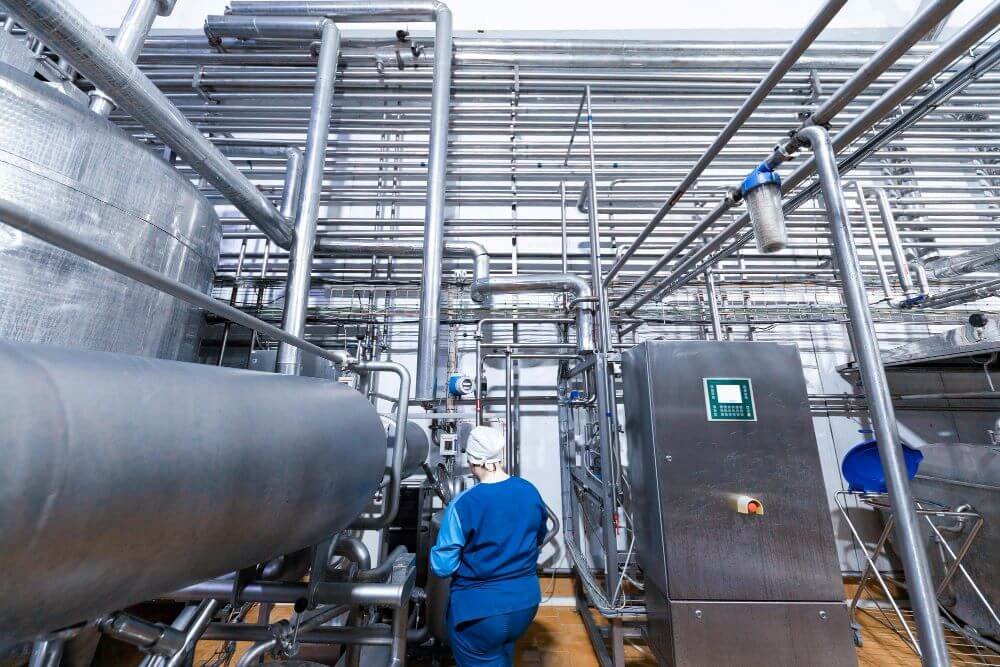
Industrial cooling systems are crucial components in various manufacturing and production processes. Glycol chillers, in particular, have gained popularity due to their ability to maintain precise temperature control and enhance overall operational efficiency. Understanding the extensive benefits of these chillers can help industries make more informed decisions regarding their cooling needs. Below, we explore the critical role glycol chillers play, from enhancing process stability to minimizing environmental impact.
The Role of Glycol Chillers in Industrial Cooling Efficiency
Glycol chillers have become indispensable in various industrial applications due to their excellent cooling efficiency. These systems utilize a mixture of glycol and water to transfer heat more effectively than water alone, providing consistent temperatures even in demanding conditions. By using a glycol-based coolant, these chillers can prevent freezing in the system, ensuring continuous operation and optimal performance.
These chillers can maintain low temperatures with precision, which is particularly important in chemical reactions or food processing, where specific temperatures are crucial for product quality. The efficiency of glycol chillers translates into reduced cycle times and increased production rates, directly impacting a company’s bottom line. Their versatility also allows them to be customized for application-specific requirements, ensuring the best fit for any industrial process.
Furthermore, glycol’s high boiling point and low freezing temperature make it an optimal heat transfer fluid for extreme temperature applications. This enables industries operating in diverse climates to rely on glycol chillers for year-round operation, resulting in improved cooling efficiency regardless of the external environment. The proper Industrial glycol chiller setups can maintain precise temperature regulation that is critical for product consistency and quality control.
Enhancing Process Stability With Glycol-Based Cooling Systems
Glycol-based cooling systems play a pivotal role in stabilizing industrial operations. This stability is crucial for processes that require maintained temperatures for extended periods. Glycol chillers can mitigate temperature fluctuations that might otherwise compromise product integrity or lead to product spoilage, ensuring consistent output quality.
Temperature stability is also crucial in sensitive pharmaceutical or biochemical processes, where deviations can impact the viability of products. Glycol chillers can efficiently manage these subtle requirements, providing industries with the capability to maintain stringent control over their cooling operations. This level of stability in the process environment can result in higher-quality products and reduced waste.
The anti-corrosive properties of glycol additionally contribute to the overall stability of the system. By protecting internal components against rust and corrosion, these chillers ensure longer system lifespans and consistent performance. When components maintain their integrity, the likelihood of breakdowns and process interruptions is significantly reduced, thereby maintaining steady production flow.
Glycol Chillers and Their Impact on Energy Consumption Reduction
Energy efficiency is a crucial consideration for any industry seeking to reduce operational costs and comply with environmental standards. Glycol chillers stand out for their exceptional heat transfer capabilities, which enable them to decrease energy consumption. This efficiency results in less electrical energy required to achieve the same level of cooling compared to traditional systems.
With the use of glycol, chillers can operate at lower temperatures without the risk of freezing, allowing for the use of smaller, more energy-efficient pumps. These pumps circulate the glycol mixture through the system, thereby requiring less energy to meet cooling needs. As a result, industries can experience substantial energy savings over time, making the initial investment in a glycol chiller system highly cost-effective.
The Environmental Advantages of Glycol Chillers in Industrial Applications
Glycol chillers offer substantial environmental benefits that align with the growing impetus on sustainability in industrial sectors. Their high thermal efficiency means that less energy is required to cool processes, leading to a decrease in greenhouse gas emissions associated with electrical power generation. Companies striving to operate sustainably can leverage these chillers as part of their eco-friendly practices.
Additionally, the longevity of glycol chillers contributes to their environmental advantage. With longer lifespans and reduced maintenance needs, the frequency of equipment disposal is lowered. This not only preserves resources but also reduces the ecological burden of manufacturing new equipment and the responsible disposal of old systems.
Selecting refrigerants with low global warming potential (GWP) and no ozone depletion potential (ODP) is made possible with glycol chiller systems. Compliant with strict environmental regulations, these chillers enable industries to meet their environmental commitments while fulfilling their process cooling requirements.
The application of glycol chillers in industrial cooling processes boasts a range of benefits. These systems not only enhance efficiency and process stability but also contribute to significant energy savings, environmental advantages, and improved safety standards. Implementing glycol cooling solutions can deliver long-term value to any industrial operation looking to optimize its cooling requirements.