Effective planning for hazardous removal is a critical part of delivering industrial and commercial projects safely in Australia.
From demolition and refurbishment to manufacturing upgrades and infrastructure works, hazardous waste is often an unavoidable element.
Poor planning can lead to delays, cost overruns, safety incidents and serious regulatory consequences.
This article explains how Australian businesses and project managers can plan hazardous waste removal properly, reduce risk and keep projects compliant from start to finish.
Understanding hazardous waste against household hazardous waste
Industrial and commercial projects generate hazardous waste in many forms.
And it needs to be seen as more than just industrial waste with some hazardous materials inside it.
This may include asbestos, contaminated soil, chemical residues, oils, solvents, lead based materials, silica dust, batteries and industrial by products.
In many cases, hazardous waste is present before a project begins and is only discovered once works are underway.
Failing to anticipate hazardous waste early is one of the most common causes of project disruption.
When unexpected materials are uncovered, work may need to stop while assessments are conducted and removal plans are developed.
This can have significant impacts on timelines and budgets.
Early identification of hazardous waste through site assessments and historical records is essential to effective project planning.
Conducting pre project hazardous substances assessments
A thorough waste assessment is the foundation of safe hazardous removal planning.
This process identifies existing hazardous waste, estimates volumes and determines appropriate removal methods.
For industrial sites, this may involve soil testing, material sampling and review of previous land use.
And for commercial buildings, surveys may be required to identify asbestos, lead paint or hazardous fixtures.
Accurate assessments allow hazardous waste removal to be integrated into project schedules and budgets. They also reduce the likelihood of surprises that can halt works mid project.
Allowing for unknown hazards
Even the most detailed assessments cannot identify every risk. Older industrial and commercial sites often contain undocumented modifications or legacy contamination.
Planning should include contingencies for unexpected hazardous waste discoveries.
This may involve flexible scheduling, provisional allowances in budgets and clear escalation processes if new hazards are identified during works.
Integrating hazardous waste removal into project timelines
Hazardous waste removal is not a standalone activity. It must be coordinated with demolition, construction, fit out and commissioning stages.
Removal activities may require specialist equipment, licensed personnel and regulatory approvals. These factors can affect sequencing and access to site areas.
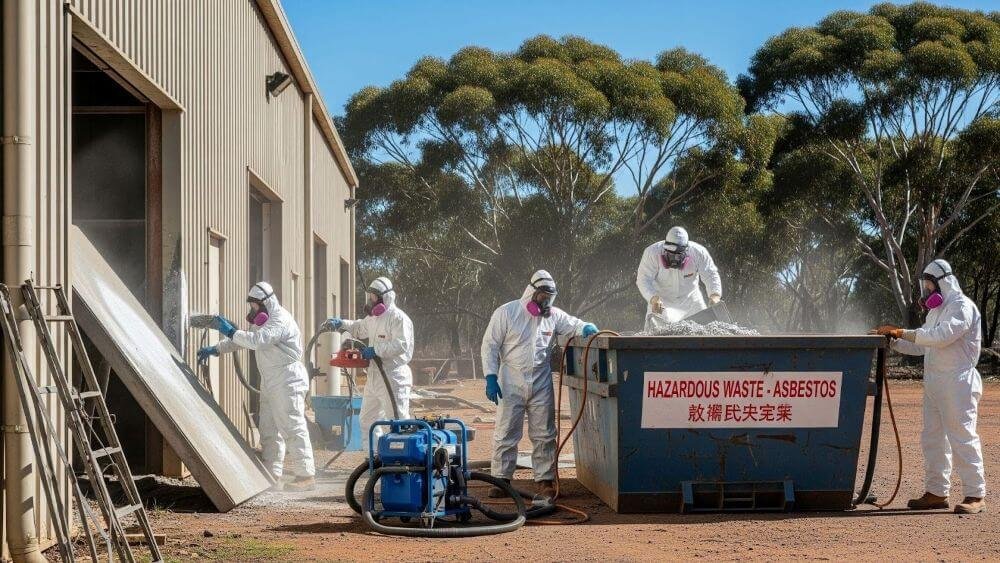
For example, asbestos removal must often be completed before demolition can proceed. Contaminated soil removal may need to occur before foundations are laid. Failing to align these activities can cause delays and rework.
Detailed programming that accounts for hazardous waste removal milestones helps keep projects on track.
Selecting the right hazardous waste contractors
Choosing experienced and licensed contractors is a critical planning decision. Not all waste contractors are equipped to manage hazardous waste safely and legally.
Industrial and commercial projects often involve complex waste streams that require specialist handling.
Contractors should hold the appropriate licences, demonstrate experience with similar projects and provide clear documentation for waste tracking.
Early engagement with hazardous waste contractors allows for better planning, accurate cost estimates and smoother integration with other trades on site.
Safe on site handling and storage
During industrial and commercial projects, hazardous waste may need to be temporarily stored on site before removal. Poor storage planning increases the risk of spills, exposure and non compliance.
Storage areas should be clearly designated, secured and designed to prevent leaks or runoff. Containers must be suitable for the waste type and clearly labelled.
Site layouts should consider vehicle access for removal, separation from high traffic areas and proximity to work zones. Good planning reduces disruption and improves safety outcomes.
Managing worker safety and training
Hazardous waste removal poses significant risks to workers if not managed properly. Planning must prioritise health and safety at every stage.
Workers should receive training relevant to their roles, including hazard awareness, safe handling procedures and emergency response actions. Personal protective equipment requirements must be clearly defined and enforced.
Clear communication between project managers, contractors and site workers helps ensure everyone understands the risks and controls in place.
Emergency response planning
Industrial and commercial projects should include emergency response plans specific to hazardous waste incidents. This includes spill response procedures, access to appropriate equipment and defined reporting processes.
Emergency planning reduces the impact of incidents and demonstrates due diligence under Australian safety laws.
Documentation and compliance management
Hazardous waste removal generates extensive documentation that must be managed throughout the project lifecycle. This includes waste classifications, transport certificates and disposal records.
Maintaining accurate records supports compliance and provides traceability if issues arise. It also assists with project close out and post completion audits.
Digital systems are increasingly used to manage hazardous waste documentation and reduce administrative burden on project teams.
Budgeting for hazardous waste removal
Underestimating hazardous waste removal costs is a common planning mistake. Costs can vary significantly depending on waste type, volume, location and disposal requirements.
Budgets should be based on detailed assessments and realistic assumptions. Allowances for contingencies help manage financial risk if additional hazardous waste is encountered.
While hazardous waste removal can be a significant cost, poor planning often results in even higher expenses through delays, penalties and emergency works.
Environmental considerations and sustainability
Beyond compliance, many Australian businesses are placing greater emphasis on environmental responsibility. Hazardous waste planning should consider environmental impacts alongside safety and cost.
This includes minimising hazardous waste generation where possible, selecting treatment options that reduce long term harm and ensuring waste is disposed of at approved facilities.
Responsible hazardous waste management supports sustainability goals and protects communities surrounding industrial and commercial projects.
Building hazardous waste planning into project success
Planning hazardous removal for industrial and commercial projects in Australia requires foresight, expertise and coordination.
By identifying hazardous waste early, understanding regulatory obligations and integrating removal into project planning, businesses can reduce risk and improve outcomes.
Hazardous waste is a reality of many projects, but it does not need to be a source of disruption.
With proper planning, hazardous waste removal becomes a controlled and predictable part of project delivery, supporting safety, compliance and long term success.