
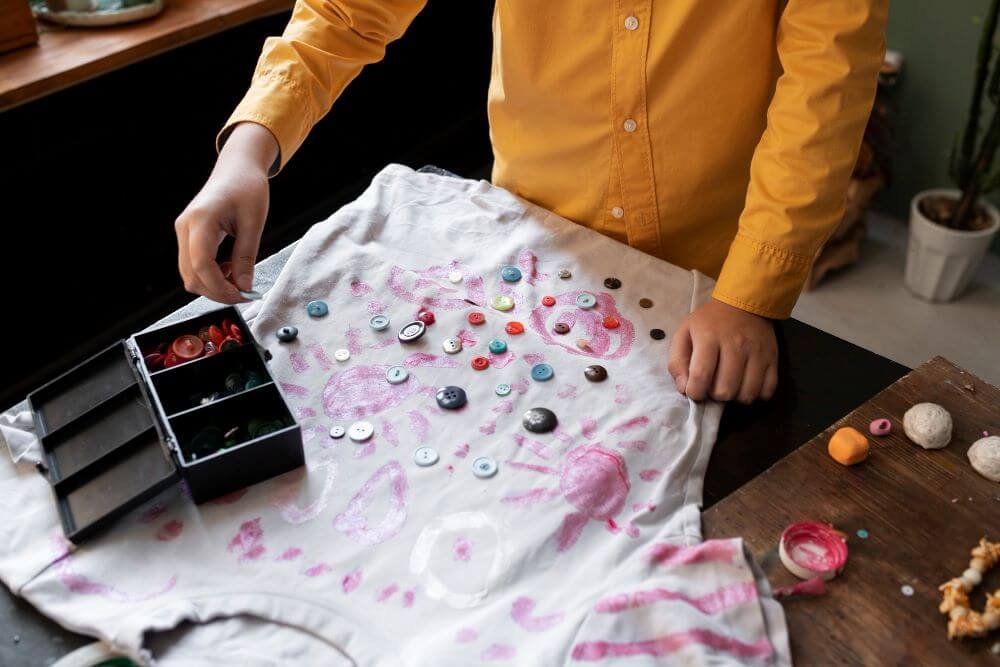
T-shirt printing has become one of the easiest ways for beginners to bring creative ideas to life. People use custom shirts for small businesses, special events, and personal projects. The process may look complicated at first. Once you understand the basics, it becomes simple and practical. This guide walks you through every step from forming an idea to printing a finished design.
Understanding the Basics of T Shirt Printing
T-shirt printing is the process of adding a design to fabric using different printing methods. Each method works in a different way, and each one produces a slightly different look. The main types of printing include screen printing, direct to garment, direct to film, heat transfer, and sublimation. Some methods work better for large orders. Others are ideal for single prints or detailed artwork. The right choice depends on your goals and your budget.
These methods all share a simple purpose. They move your artwork from a digital file onto a shirt. Before you decide which method to use, you need to understand how your design will appear on fabric. This requires a bit of planning and some basic knowledge of artwork preparation.
Step 1: Planning Your Concept
Every printing project begins with a clear idea. Start by asking yourself why you are creating the shirt. It could be for personal use, a school event, a small business, or a fundraiser. Once you know the purpose, think about the people who will wear the shirt. This helps you shape the tone of your design.
Trends can offer ideas, but avoid copying other designs. Look at color palettes, popular fonts, and styles that fit your message. Keep your concept focused and simple. A clear idea leads to a stronger design.
Step 2: Creating the Artwork
The artwork is the center of the project. You can use tools like Canva, Illustrator or Procreate. Choose the tool that matches your skill level. Make sure your file is high resolution. Most printers require 300 DPI with a transparent background. This helps the design stay crisp and sharp on fabric.
Color plays a big role in print quality. Digital colors and printed colors can look different. If possible, do a small test print to see how your colors appear. Save your file in a format recommended by your printer or chosen print shop. Common options include PNG and PDF.
Many beginners make simple mistakes. They stretch images too far, use low-resolution photos, or forget about color contrast. Keeping these small details in mind helps you avoid quality issues later.
In many cases, beginners also look for beginner-friendly printing tools and machines. This is where tools like the Prestige R2 DTF printer come into play because it helps people move from idea to actual printed output with very little technical effort.
Step 3: Choosing the Right T Shirt Material
Not all t T-shirts are the same. Fabric choice affects how your design looks and how long it lasts. Cotton is the most common material. It holds prints well and feels soft. Polyester is lightweight and more flexible. Blended fabrics combine the strengths of both.
Different printing methods work better with specific fabrics. Sublimation only works on polyester. Screen printing and DTF work well on cotton or blends. When in doubt, choose a simple cotton shirt. It produces predictable and consistent results for beginners.
Step 4: Selecting a Printing Method
Each printing method has its own benefits.
Screen Printing
Screen printing is a long-standing method. It works well for large orders with simple designs. It uses one screen per color. This makes it cost-effective for bulk printing.
Direct to Garment (DTG)
DTG works like a regular printer. It prints directly onto fabric. This is ideal for full color designs and single shirt orders. It does require proper pretreatment and curing for the best durability.
Direct to Film (DTF)
DTF has grown quickly in popularity. It allows you to print your design onto a film and then transfer it to the shirt. It is flexible, reliable, and works on many fabric types.
Heat Transfer and Vinyl
Heat transfer methods are simple and affordable. They work well for simple text or small graphics. They do not last as long as other methods unless applied correctly.
Sublimation
Sublimation creates bright and vivid prints. It only works on polyester and light colored shirts. It is ideal for all-over prints.
Comparing these methods helps beginners choose the one that fits their budget and their design style.
Step 5: Printing Your First T Shirt
Once your design and materials are ready, you can begin the printing phase. Decide if you want to print at home or use a professional print shop. Home printing requires equipment and patience. A print shop removes the technical steps and usually produces consistent results.
Follow the instructions for your chosen method. For example, if you use DTF, make sure the transfer is aligned correctly. If you use screen printing, check that each color layer lines up. Printing takes practice. Test prints are normal and helpful.
Step 6: Quality Control and Finishing
Quality control protects you from mistakes. Look at the print closely. Check for cracks, misalignment or faded areas. Let the print cure completely before washing. If you plan to sell your shirts, consider adding simple packaging to improve presentation.
Step 7: Selling and Scaling
Some beginners start small and later decide to sell their shirts. You can sell on Etsy, Shopify, or at local events. Pricing depends on your costs, time, and demand. Keep your designs organized and track which styles perform best.
Marketing your shirts does not need to be complex. A small social media page or local promotion can help you reach more people. If interest grows, you can expand into bulk orders or seasonal releases.
Common Mistakes to Avoid
Beginners often run into similar issues. Low-resolution images create blurry prints. Choosing the wrong fabric leads to fading. Skipping test prints can cause waste. Rushing the process often leads to inconsistent results. Slow and steady steps help you produce stronger shirts.
Conclusion
T shirt printing is a practical and rewarding skill. It mixes creativity with simple technical steps. Once you understand the basics, you can take an idea from your mind and place it on fabric with confidence. Whether you print for fun or for business, the process becomes easier each time you try it.