
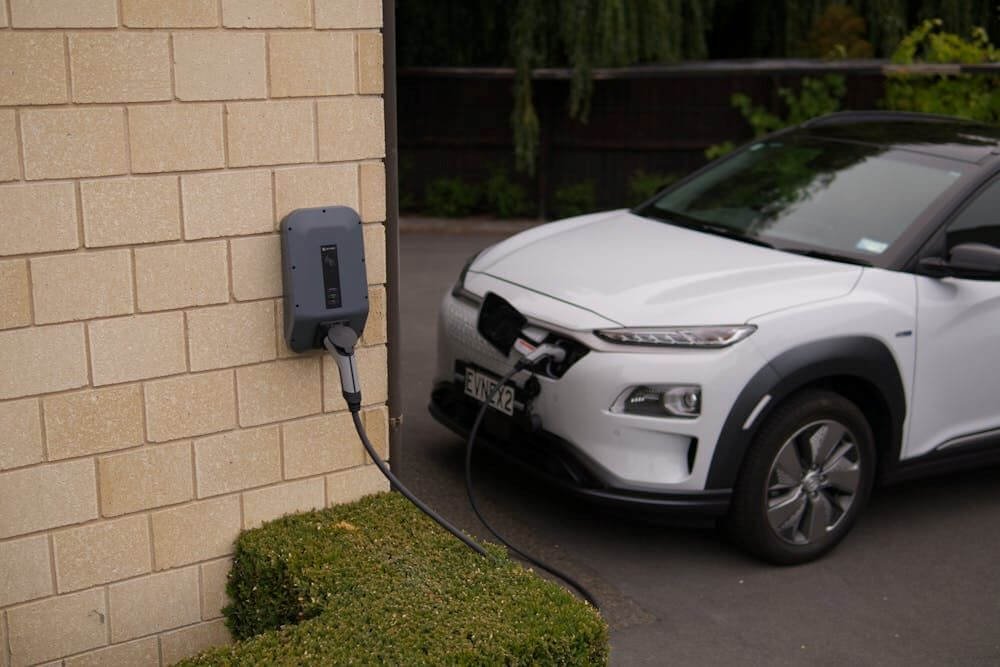
Electric vehicles are becoming a central part of the transportation industry. Governments are tightening emissions policies, corporations are setting sustainability goals, and logistics companies are shifting their fleets toward electric models. Delivery services, ride-sharing companies, and large retailers are all investing in EV technology to reduce fuel costs and meet environmental commitments.
EVs are not simply traditional cars with batteries replacing fuel tanks. Their design, power systems, and maintenance needs are fundamentally different. Electric drivetrains rely on software controls, high-voltage batteries, and new mechanical systems that require different service procedures.
Businesses must also rethink infrastructure. Charging stations, energy management, and fleet planning are becoming part of everyday transportation strategies. Another operational change involves vehicle recovery. Electric vehicles often require specialized handling methods and trained technicians when they need to be transported after a breakdown.
Understanding EV Recovery and the Importance of Safe Handling
Electric vehicles introduce new challenges for roadside recovery. Unlike conventional vehicles, EVs contain high-voltage battery systems and sensitive electric motors. These systems usually operate between 400V and 800V, so improper handling can cause mechanical damage or pose safety risks.
Because of these technical differences, fleet managers must follow specialized recovery procedures. One important part of this process is towing electric vehicles safely. EVs often require flatbed transport because allowing the wheels to rotate during towing can generate electricity through the motor and damage internal components. For this reason, companies that operate electric fleets increasingly rely on recovery providers who understand EV-specific procedures and high-voltage safety standards.
The Evolution of the Last Mile: EV Delivery Fleets
Last-mile delivery has become one of the fastest areas of EV adoption. Retailers and logistics companies are deploying electric vans and trucks for urban delivery routes. These vehicles reduce fuel expenses and help companies comply with stricter emissions regulations in many cities.
Electric fleets also support quieter operations and lower operating costs. However, businesses must adjust their logistics planning. Route optimization, charging schedules, and battery management now play a major role in delivery efficiency for companies transitioning to electric transportation.
The Mechanical Reality: Regenerative Braking and Permanent Magnet Motors
Electric vehicles rely on drivetrain systems that differ greatly from traditional engines. Regenerative braking captures energy during deceleration and sends it back to the battery. This process improves efficiency and reduces wear on mechanical braking components.
Many EVs use permanent magnet synchronous motors. These motors deliver strong torque and efficient power, but they also generate electricity when the wheels rotate freely. This characteristic is why improper towing or handling methods can damage the drivetrain if correct procedures are not followed.
Weight Distribution Challenges: The Impact of Large Battery Packs
Electric vehicles carry large battery packs that often weigh between 1,500 and 2,000 pounds. Manufacturers typically install these batteries low in the vehicle chassis to improve stability and handling.
However, the additional weight changes how vehicles interact with roads and infrastructure. Heavier vehicles can affect tire wear, braking performance, and the long-term durability of infrastructure. Businesses operating EV fleets must account for these structural differences when planning maintenance schedules and fleet operations.
Charging Infrastructure as a New Business Amenity
Charging infrastructure is becoming an important business investment as more companies adopt electric vehicles. Warehouses, office campuses, and logistics hubs now install charging stations to support fleet operations. Reliable charging access helps companies keep vehicles active throughout the workday and reduces downtime caused by battery depletion.
Fast charging technology is also improving. Some commercial chargers now deliver up to 350 kW, allowing vehicles to regain significant range in a short time. Businesses that install charging stations gain operational flexibility while also supporting employees and customers who drive EVs.
Companies increasingly view charging availability as part of their workplace and logistics strategy. Providing charging access can support corporate sustainability goals and improve the overall transportation experience for staff and visitors.
Risk Mitigation: Why Traditional Recovery Methods Fail for EVs
Electric vehicles require different recovery methods than conventional vehicles. Traditional towing techniques often lift one axle while allowing the other wheels to roll on the road. For many EVs, this approach can damage electric motors because wheel rotation can generate electrical current within the drivetrain.
Fleet managers should ensure drivers know what steps to take during a breakdown and which service providers to contact. Recovery teams must follow manufacturer guidelines to avoid damage to high-voltage components.
Businesses that prepare for these situations reduce the risk of costly repairs. Proper recovery procedures also protect warranties and help keep fleet vehicles in service.
The “Transport Mode” Protocol: Software-Defined Towing Requirements
Modern electric vehicles rely heavily on software to manage drivetrain behavior. Many EVs include specific transport or tow modes that must be activated before the vehicle can be moved safely. These systems temporarily disable certain electronic controls that could otherwise interfere with recovery procedures.
Tesla vehicles are a well-known example. They include a transport mode that prevents the drivetrain from engaging during vehicle movement. Without activating this feature, towing could cause mechanical damage or system faults. Businesses that operate EV fleets must ensure service providers understand both the mechanical and digital aspects of these vehicles.
Economic Outlook: Maintenance Savings vs. Specialized Service Costs
Electric vehicles generally require less routine maintenance than gasoline vehicles. They do not need oil changes, and they contain fewer moving parts in the drivetrain. Regenerative braking also reduces wear on brake components, which lowers long-term maintenance costs for fleet operators.
However, EVs introduce new service requirements. Battery diagnostics, high-voltage system inspections, and specialized recovery services can increase costs in certain situations. Technicians must receive specialized training to work safely with EV systems.
For many businesses, the long-term financial outlook still favors electrification. Lower fuel expenses and reduced maintenance needs often offset the cost of specialized services.
The Road Ahead for Electric Transportation
Electric vehicles are reshaping how transportation systems operate. Businesses are adapting fleet strategies, investing in charging infrastructure, and learning new maintenance and recovery procedures. These vehicles introduce new technical considerations, from software-controlled systems to specialized service requirements.
Organizations that understand these changes will be better prepared for the future of transportation. As electrification becomes more common across logistics and mobility sectors, companies that build EV knowledge and partnerships with specialized service providers will maintain a strong operational advantage.