
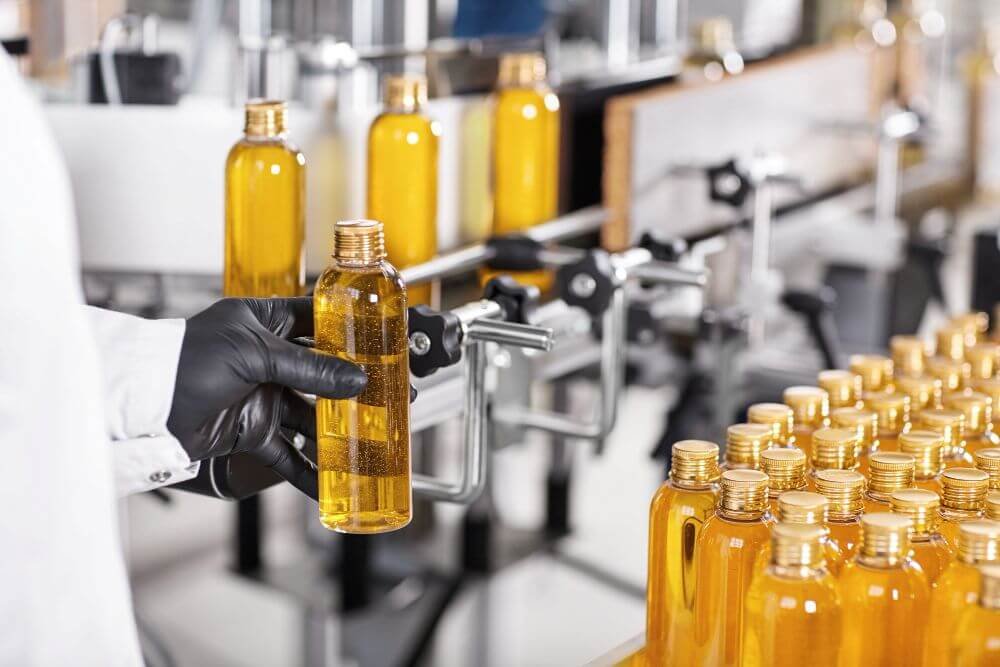
Production lines rarely slow down because demand is low. They slow down because the process cannot keep up, or because small inefficiencies pile up until the day feels like nonstop catch up. For beverage, personal care, household goods, and many other packaged products, filling is often the pace setter. When filling becomes the bottleneck, everything downstream suffers, capping backs up, labeling waits, and labor gets pulled into firefighting. A high speed filling upgrade can change that dynamic fast. In this article, we’ll break down what a high speed system actually improves, where the biggest gains come from, and what to evaluate before you invest.
What “High-Speed” Really Means in Bottling
“High speed” is not just a bigger number on a spec sheet. It is the combination of output rate, stability, and repeatability under real conditions. A true high-speed bottle filling machine maintains consistent fill levels at higher bottles per minute, handles the normal variability of containers, and recovers quickly from micro stops instead of turning them into long delays. It also fits into the rest of the line. If filling runs faster than capping or labeling, you do not get better throughput, you get congestion. That is why the best definition of high speed is “balanced performance” across filling, conveying, and downstream packaging, with changeovers and sanitation designed for the way you actually run.
Higher Throughput Without Adding Labor
The most obvious benefit is capacity. A high speed filler increases output per hour without requiring additional operators on every shift. In many plants, the goal is not to eliminate labor, it is to use labor better. Instead of assigning people to repetitive filling tasks, you can redeploy them to quality checks, materials staging, maintenance support, or line monitoring. That shift often improves performance because the team is spending time preventing issues, not reacting to them. Higher throughput also reduces the need for overtime when demand spikes. If your current line runs at the edge of its limit, any disruption forces you into extra hours just to hit commitments. More available capacity gives you breathing room.
Better Fill Accuracy and More Consistent Product Quality
Speed does not matter if quality drops. Modern high speed systems are designed to hit fill targets consistently, which protects your brand and your margins. When fill levels vary, you pay in multiple ways. Underfills can trigger customer complaints or compliance issues. Overfills quietly drain profit through product giveaway. A well matched filling method, whether volumetric, mass based, or another approach, can keep accuracy tight even at higher rates. Better consistency also reduces rework. If you are frequently pulling bottles for inspection or correcting batches because fill levels drift, you are losing time twice, first during the fill, then during the fix. Consistent fills help keep the whole line smoother.
Less Waste, Fewer Spills, Cleaner Changeovers
Waste is not only product spilled on the floor. It is also a product trapped in hoses, lost during unstable start ups, or discarded during messy changeovers. High speed fillers often include improved nozzle control, drip reduction, and more stable flow behavior, which leads to cleaner runs. That matters for housekeeping, but it also matters for uptime. Less mess means fewer stop and clean cycles, and fewer safety risks in active work areas. Changeovers are another big lever. If you run multiple SKUs, bottle sizes, or flavors, the minutes between runs add up quickly. Systems designed for faster adjustment and more predictable sanitation help you keep variety without sacrificing the schedule.
Improved Line Efficiency and Uptime
A faster machine does not guarantee a faster line. What you want is improved overall equipment effectiveness, availability, performance, and quality. High speed equipment tends to come with better diagnostics, controls, and repeatable settings that reduce unplanned stops. It can also synchronize more effectively with conveyors and downstream stations, which helps prevent jams and reduces back pressure. In many lines, performance is limited by “micro stops,” small pauses that happen so often that the team stops noticing them. When those micro stops disappear, throughput rises without adding stress. Predictable uptime is also valuable for planning. If you can trust your line rate, you can schedule production more accurately, stage materials more efficiently, and reduce end of shift surprises.
Conclusion
A high speed filling upgrade is not just about moving faster. It is about producing more with fewer disruptions, tighter quality control, and less waste, while making the line easier to plan and scale. If you share your product type, bottle range, and target output, I can help you narrow down what “high speed” should look like for your operation and where the biggest efficiency gains usually come from.